early childhood education plays a crucial role in shaping a child’s future by building a strong foundation during the early years of learning. This stage is considered one of the most important periods in a child’s life because it is when they begin to develop basic skills such as communication, thinking, and social interaction. A strong early education helps children understand the world around them and prepares them for future academic success. Vignanajyothi School focuses on providing a nurturing and supportive environment where young learners can explore, learn, and grow with confidence. By focusing on early childhood education, the school ensures that students develop the skills and habits needed for long-term success.
Early Childhood Education Builds Strong Learning Foundations
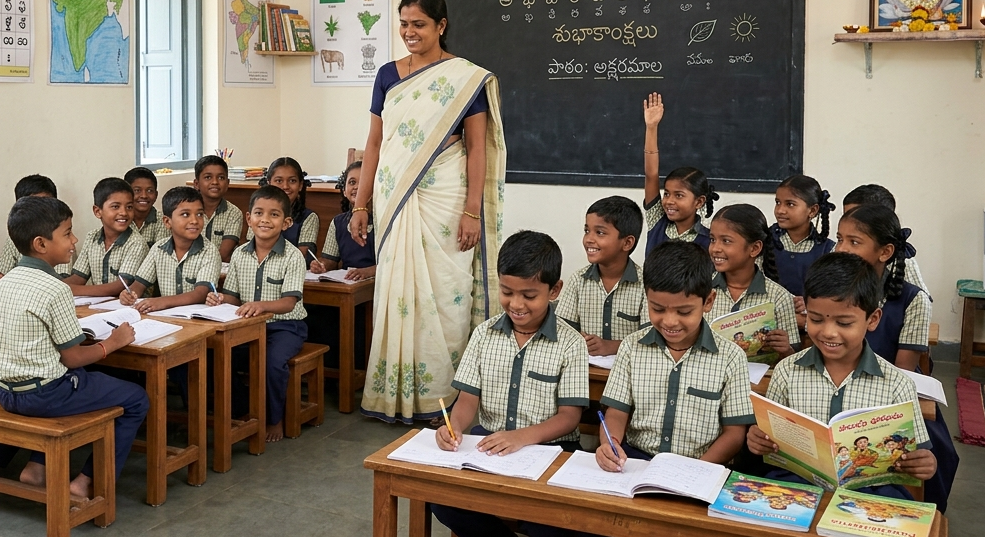
One of the most important benefits of early childhood education is that it helps build a strong foundation for future learning. During this stage, children are introduced to basic concepts such as numbers, letters, colors, and shapes. These early lessons help them understand more advanced topics later in their academic journey. Teachers use simple and engaging methods to make learning enjoyable and effective. When children develop a strong foundation early, they become more confident and capable learners.
Early Childhood Education Improves Social Skills
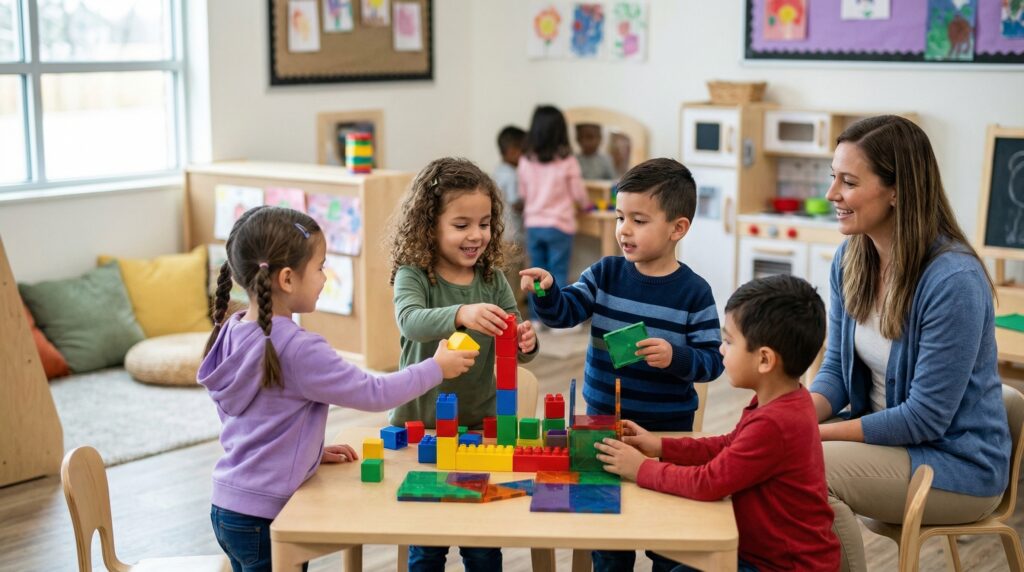
Social interaction is an important part of early learning, and early childhood education helps children develop these skills. When children interact with classmates and teachers, they learn how to communicate, share, and cooperate. These experiences help them build friendships and understand the importance of teamwork. Developing social skills at an early stage helps children adjust easily to school life and improves their overall confidence.
Early Childhood Education Encourages Learning Through Play
Learning through play is one of the most effective methods used in early education. Activities such as games, storytelling, drawing, and group play make learning fun and engaging. These activities help children develop creativity and curiosity while improving their understanding of different concepts. Through play-based learning, children develop creative thinking, problem-solving skills, and active participation.
Early Childhood Education Develops Communication Skills
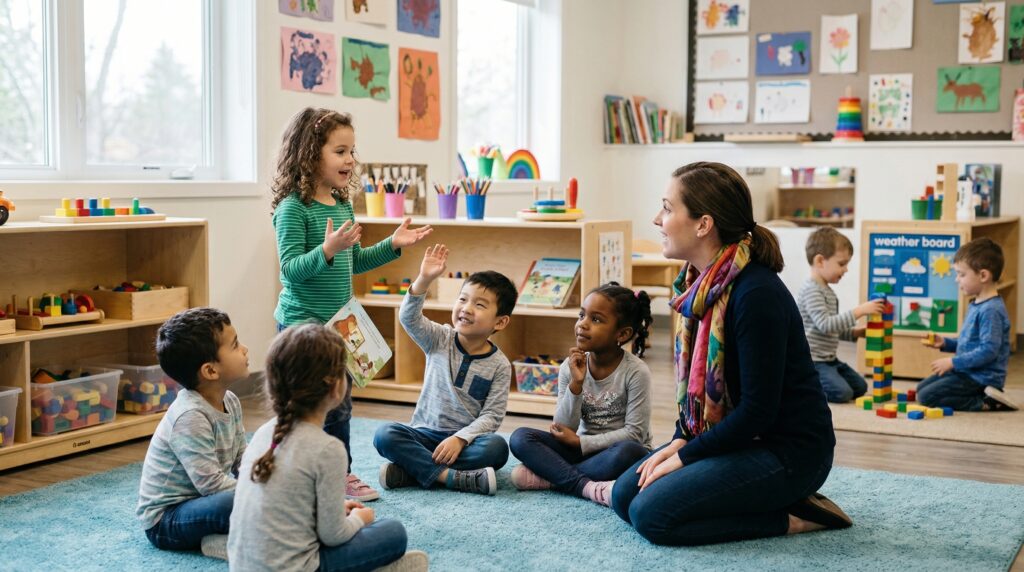
Communication is a key skill that children develop during early education. By interacting with teachers and classmates, children learn how to express their thoughts and ideas clearly. Activities such as storytelling and group discussions help improve their speaking and listening skills. Strong communication skills help children perform better in academics and build confidence in social situations.
Early Childhood Education Builds Confidence and Independence
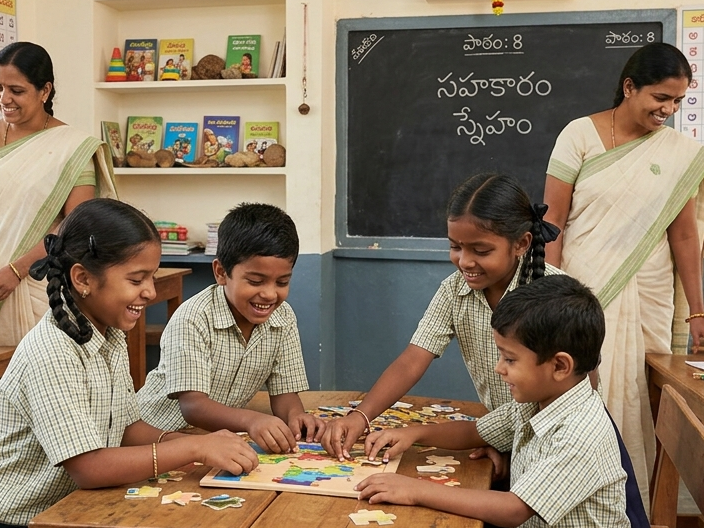
Early education helps children become more confident and independent. When children participate in activities and complete small tasks on their own, they develop a sense of achievement. Teachers encourage children to explore and learn at their own pace, which helps build self-confidence. This confidence supports them in facing new challenges and adapting to different learning environments.
Preparing Children for Future Academic Success
A strong early education prepares children for primary school and future academic challenges. Children who receive proper guidance during their early years are better able to understand concepts and adapt to structured learning environments. This preparation helps them perform better in higher classes and develop a positive attitude toward learning.
Conclusion
early childhood education is the foundation for a child’s academic and personal growth. It helps children develop essential skills such as communication, social interaction, and problem-solving. Vignanajyothi School focuses on providing a strong early learning environment where children can grow with confidence and curiosity. By investing in early education, parents can ensure a bright and successful future for their children.